How to Choose a Cleaning Frequency for Your Facility
The right schedule comes from how your building is used, not from its square footage.
October 27, 2026 · 4 min read
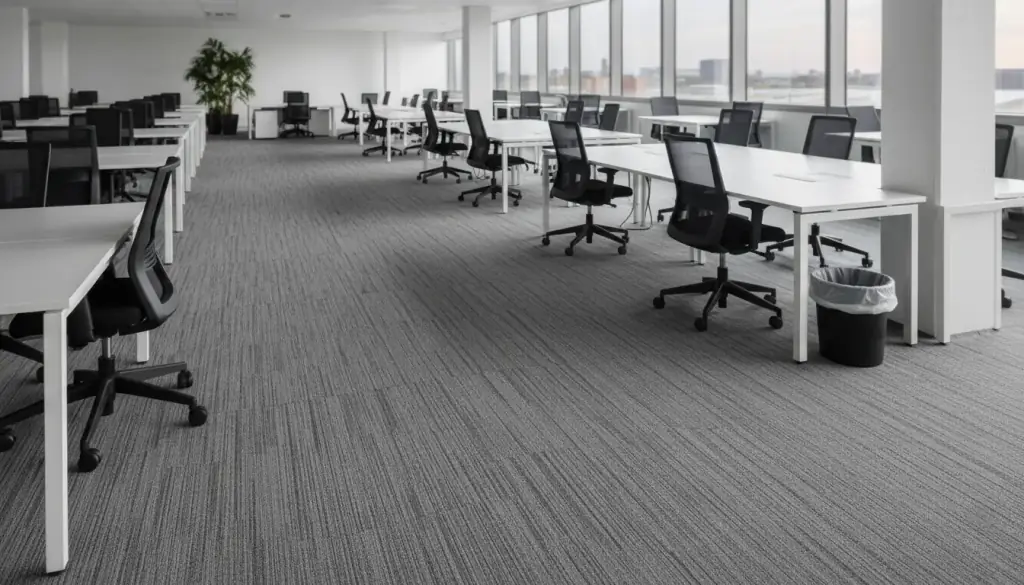
Most facility managers pick a cleaning schedule the way they pick a thermostat setting. They try something, wait for complaints, and adjust. That works, but it burns a few months and a few awkward conversations along the way. A better starting point is to look at how your space actually gets used, then build the schedule around that.
Start with people, not square footage
Square footage tells a cleaner how long a visit will take. It says very little about how often the visits should happen. Headcount and foot traffic do that. A twelve-person office where everyone sits at a desk all day produces a steady, predictable amount of wear: trash, crumbs, fingerprints, restroom use. A retail floor with hundreds of visitors a week produces a different kind, piled up near the door and the checkout counter.
Count the people who pass through on a typical weekday. Include customers, patients, delivery drivers and your own staff. Then note where they go. Entrances, restrooms, the breakroom and the main walkway take almost all of the abuse. The back corner of a conference room used twice a month takes almost none.
That unevenness is useful. It means you don't have to clean everything at the same rate. Some areas earn a daily pass, others a weekly one, and a few only need real attention once a month.
Sort your building into zones
Think of your facility as a set of zones, each with its own rhythm. Here's a rough way to rank them, from most frequent to least:
- Restrooms and breakrooms: the most used and the most noticed, so they come first.
- Entrances and main walkways: dirt and moisture arrive here first and spread from here.
- Desks, reception counters and shared surfaces: high-touch areas build up fast in an occupied building.
- Carpet and hard floors in quieter rooms: a routine pass, with deeper work layered on periodically.
- Sills, vents, baseboards and the tops of shelves: occasional, and easy to forget until someone spots them.
Once the zones are sorted, the schedule nearly writes itself. The first two or three items set your minimum visit frequency, and the rest ride along on a rotating checklist.
What each common frequency tends to suit
A weekly visit suits a small office with a handful of people, light foot traffic and a restroom that only a few of them use. Everything gets a full reset once a week, and the building stays presentable in between as long as people clear their own cups and food.
Several visits a week fits busier places: clinics, retail spaces, larger offices, anywhere customers or clients see the building before they meet you. Restrooms and trash can't wait a full week in those settings, and entrances pick up dirt faster than a weekly pass can keep ahead of it.
Bi-weekly and monthly visits work best as a second layer rather than the main plan. They're a good fit for the deeper jobs that don't need to happen often, like a full carpet clean, detailed work on hard floors, or dusting high shelves and vents. They can also carry a rarely used space, such as a storage-heavy suite or a seasonal location, that simply doesn't collect much.
Plenty of buildings end up with a mix: a frequent light routine for the busy zones plus a monthly deeper visit on top. If your honest answer to the frequency question is 'I'm not sure,' that's a normal place to start, and a decent cleaning company will treat it that way.
Signs your current schedule is off
Your building will tell you if the schedule is too thin. Restroom supplies run out midweek. Trash is overflowing by Thursday. There's grit underfoot near the entrance, or a stale smell in the breakroom by the end of the week. The clearest sign of all is staff quietly wiping their own desks and emptying their own bins. When people start cleaning around the cleaner, the plan needs more visits or a longer task list.
The opposite problem exists too. If your cleaner finds almost nothing to do in certain rooms on every visit, you may be paying for coverage you don't need. Moving a low-use area to a monthly check is a perfectly reasonable adjustment.
Treat the first plan as a draft
No schedule is permanent. Headcount changes, a new tenant moves in, hybrid work shifts which days the office is full, and Michigan winters bring slush and road salt through the door for months at a time. The best arrangement is one where you can adjust the frequency as you learn, without renegotiating from scratch.
That's the approach ClearView Cleaners LLC takes in Rochester Hills. The company offers flexible scheduling and customizable cleaning plans for commercial workplaces, so a weekly plan can become a few visits a week, or the reverse, once you see how the building behaves. Its quote form asks for your facility type and a preferred frequency, with a 'not sure' option, which tells you the question is expected.
If you're weighing a schedule right now, the quickest way to a straight answer is to describe your space and work it out with a person. Call (248) 952-7017 or fill in the quote form on the /contact page, and ask for a plan that fits how your building really gets used.
ClearView Cleaners LLC, 248-952-7017
Call 248-952-7017More articles
What to Tell a Commercial Cleaner Before You Ask for a Quote
Ten minutes of detail up front is the difference between a real quote and a guess.
Restrooms and Breakrooms: The Rooms People Remember
Two small rooms do an outsized share of the work in shaping what people think of your business.